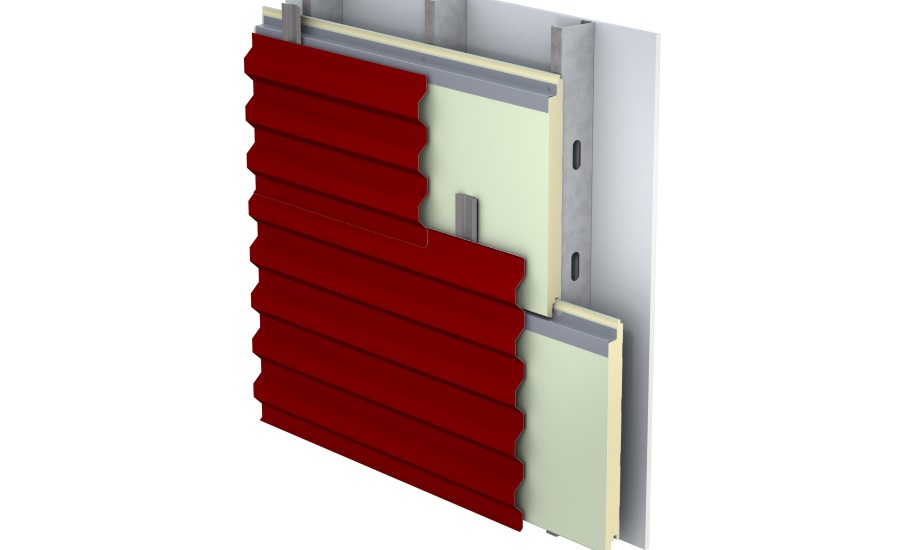
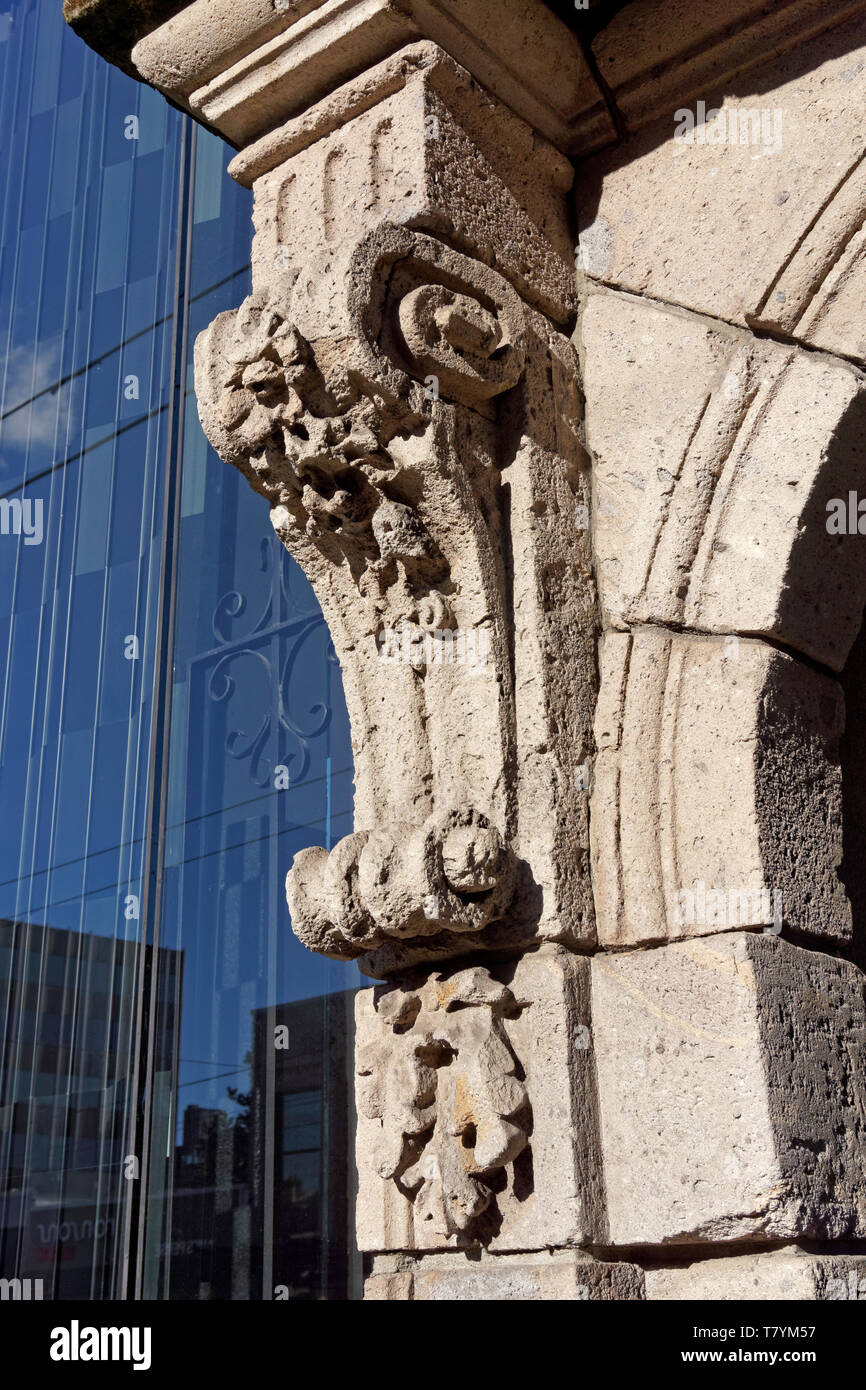
Backup walls are cold-formed steel framed walls with water-resistant sheathing and concrete masonry.
Example: the backup wall covers us from the rain.
en: Muro de respaldo
Brick of Courses
noun
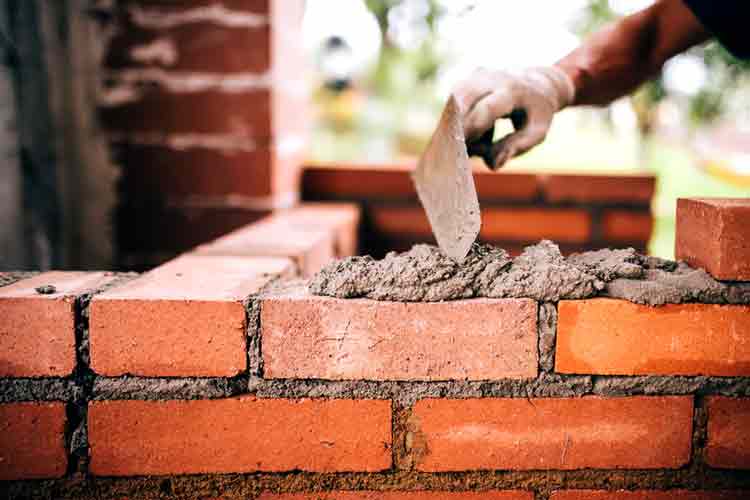
A course is a layer of the same unit running horizontally in a wall. It can also be defined as a continuous row of any masonry unit such as bricks, concrete masonry units (CMU), stone, shingles, tiles, etc.
Example: To make a wall, 3 courses of brick are made and the joint is allowed to dry.
en: Hilada de ladrillo
Concrete block
noun
A concrete block is primarily used as a building material in the construction of walls. It is sometimes called a concrete masonry unit (CMU).
Example: We need concrete blocks to continue construction.
en: Bloque de concreto
Dovetail insert
noun
Is a joint made by inserting tenon on one piece into mortise holes in the other.
Example: The dovetail insert is a very strong material.
en: inserto de cola de milano
Gravity load
noun
Gravity loads are body loads available only in Structure. These loads simulate the force of gravity as it affects your model.
Example: The structure is designed to withstand gravity loads.
en: Carga de gravedad
Hanging off
noun
To be suspended from something.
Example: The balcony was left hanging from the adjacent wall.
en: Colgando de
Horinzontal mortar joints
noun
In masonry, mortar joints are the spaces between bricks, concrete blocks, or glass blocks
Example: The horizontal mortar joints between each brick must be 1.5cm.
en: Juntas de mortero horizontales
Ladder-type systems
noun
Brick reinforcement ladders are two long, flattened bars of steel (usually stainless or galvanised), joined at stages by thinner bars, creating a ladder effect.
Example: The ladder-type system allows us to relate both floors.
en: Sistema tipo escalera
Laterally
adverb
They are horizontal forces acting on a structure.
Example: The columns of the structure must coincide laterally with each other.
en: Lateralmente
Masonry ties
noun
Connectors can be classified as wall ties, anchors, or fasteners. Wall ties connect one masonry course to an adjacent course.
Example: The wall of this built by carefully placed masonry ties.
en: Lazos de Albañilería
Multi-story
noun
A multi-story building has several floors at different levels above the ground.
Example: The building opposite is multi-storied.
en: De varios pisos
Relief angle
noun
Is the angle between a cutting tool and the workpiece it has just cut.
Example: The relief angle supports the weight of the brick veneer at each floor.
en: Ángulo alivio
Support
noun
To hold the weight of someone or of something such as building or structure so that they don't move or fall.
Example: On this column is supported a load beam.
en: Soporte
Tie (something) back to
verb
There are times when two elements of a building can not be merged together, and this is when ties come to the rescue. Ties in cavity walls are typically made of metal or plastic wires, and are placed in between the two materials, “tying” them together to create a homogenous body.
Example: To build a castle, stirrups are tied to the rods at each corner.
en: Atar (algo) de nuevo a
Transfers
verb
Transfer a load or something from one point to another.
Example: The open-plan works by means of rigid frames, these can transfer their loads through the beams to the columns.
en: Transferir
Wedge anchor
noun
A wedge anchor is a type of specialty fastener used to attach objects to concrete or masonry structures. They may be used to secure a piece of artwork to a brick wall, hang ductwork or plumbing pipes from a ceiling, or bolt an item into the floor. Wedge anchors may also be known as anchor bolts or expansion bolts in some areas.
Example: The UCAN Hook Wedge Anchor is a high grade steel fastener, designed primarily for wire mesh installation.